

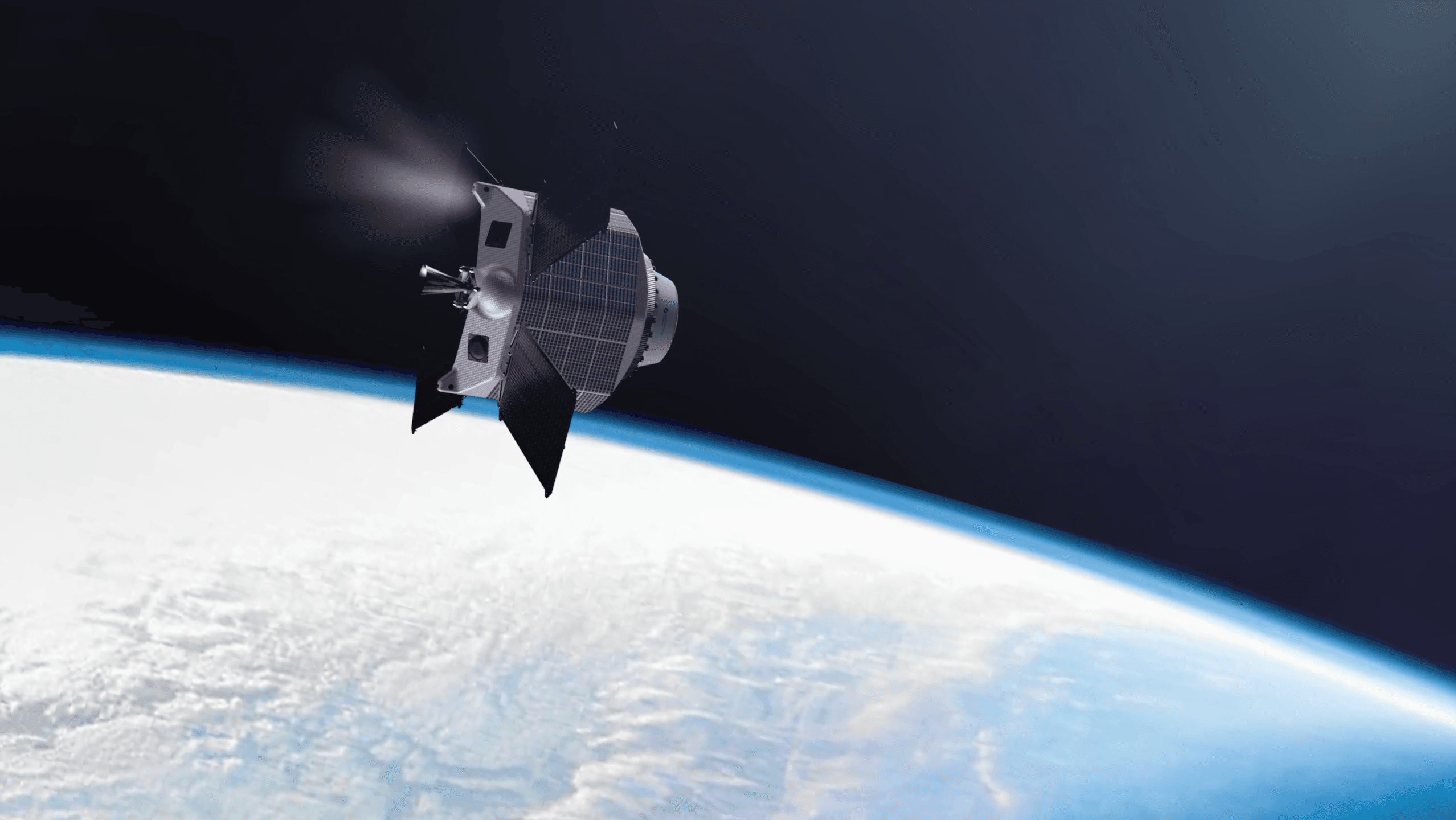
Optimus Viper
Rapid Response Vehicle for Autonomous Proximity Operations
Optimus Viper Overview
Optimus Viper Rapid Response Vehicle for Autonomous Proximity Operations
The Optimus Viper Rapid Response vehicle provides autonomous proximity operations across all critical regimes. The platform delivers rapid response capability through high delta-V manoeuvring, precision navigation, and reconfigurable payload architecture.
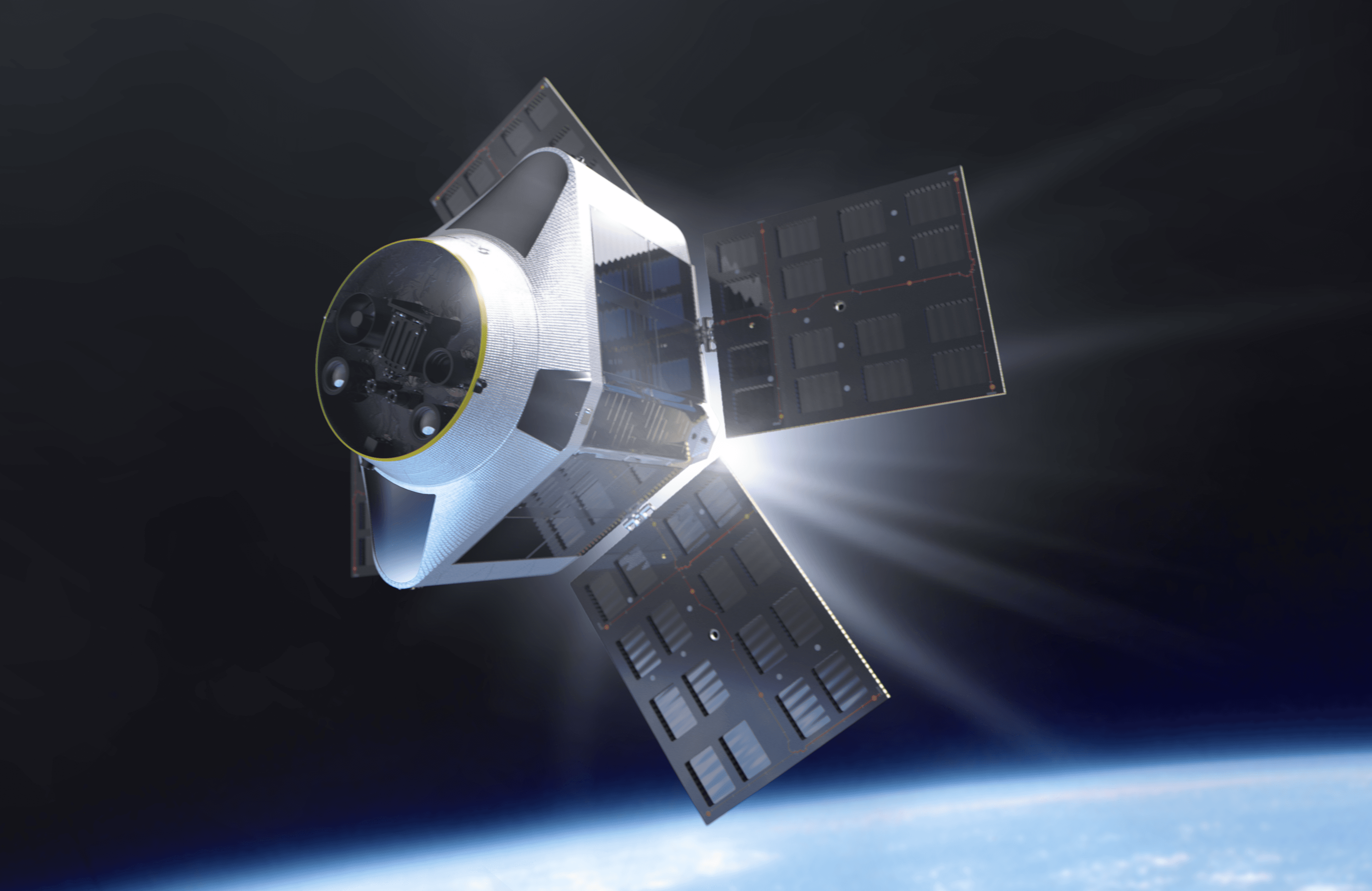
Proximity Operations
The Optimus Viper executes rendezvous and proximity operations within 10 km of target objects. Six-degree-of-freedom control enables sustained monitoring, inspection, and intervention missions with sub-meter positioning accuracy.
Multi-Orbit Capability
The platform operates across Low Earth Orbit (LEO), Medium Earth Orbit (MEO), and Geostationary Orbit (GEO) regimes. Enhanced radiation tolerance and thermal management support extended missions in high-radiation environments.
Autonomous Mission Execution
Integrated guidance, navigation, and control systems enable autonomous operation with minimal ground intervention. Pre-programmed missions execute complex proximity manoeuvres while maintaining collision avoidance protocols.
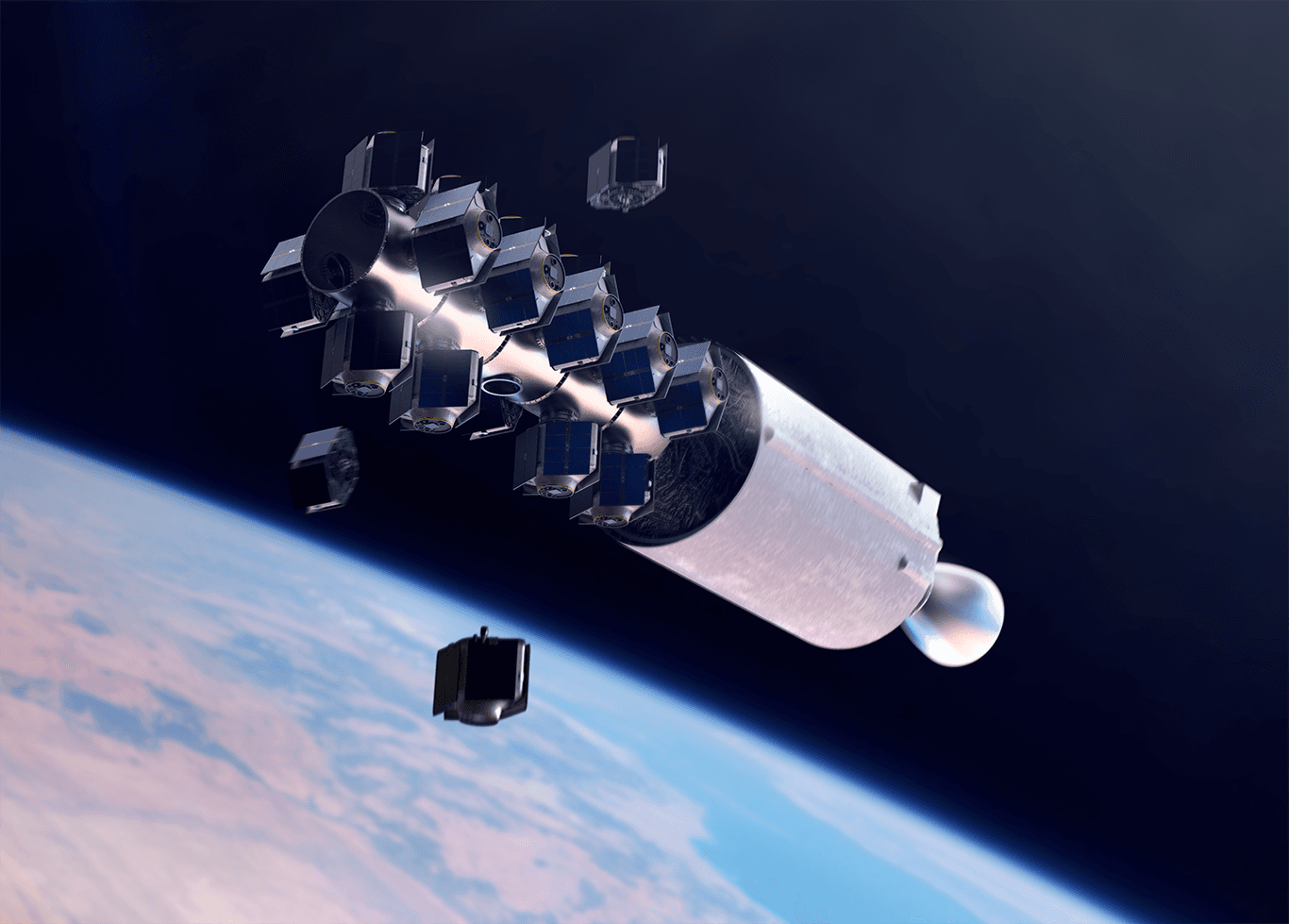
Rapid Deployment Response
High thrust-to-weight ratio and 500+ m/s delta-V capability enable rapid orbital transfers and emergency response missions. Launch-agnostic design supports deployment across multiple launch vehicle configurations.
Key Performance
| Capability | Specification | |
|---|---|---|
| Mass | 200 kg | |
| Delta-V | > 500 m/s | |
| Payload Capacity | Up to 75 kg | |
| Imaging Resolution | 1 cm at 1 km standoff | |
| Communications | S-band, X-band, Emergency Survival Radio | |
| Attitude Control | 6-DoF precision manoeuvring | |
| Propulsion | Regeneratively cooled bi-propellant | 1,000+ ignition cycles | |
| Operating Environment | LEO, MEO, GEO, xGEO | |
| Target Unit Cost | ≤$1.25M USD | |
| Production Target | 30+ vehicles annually |
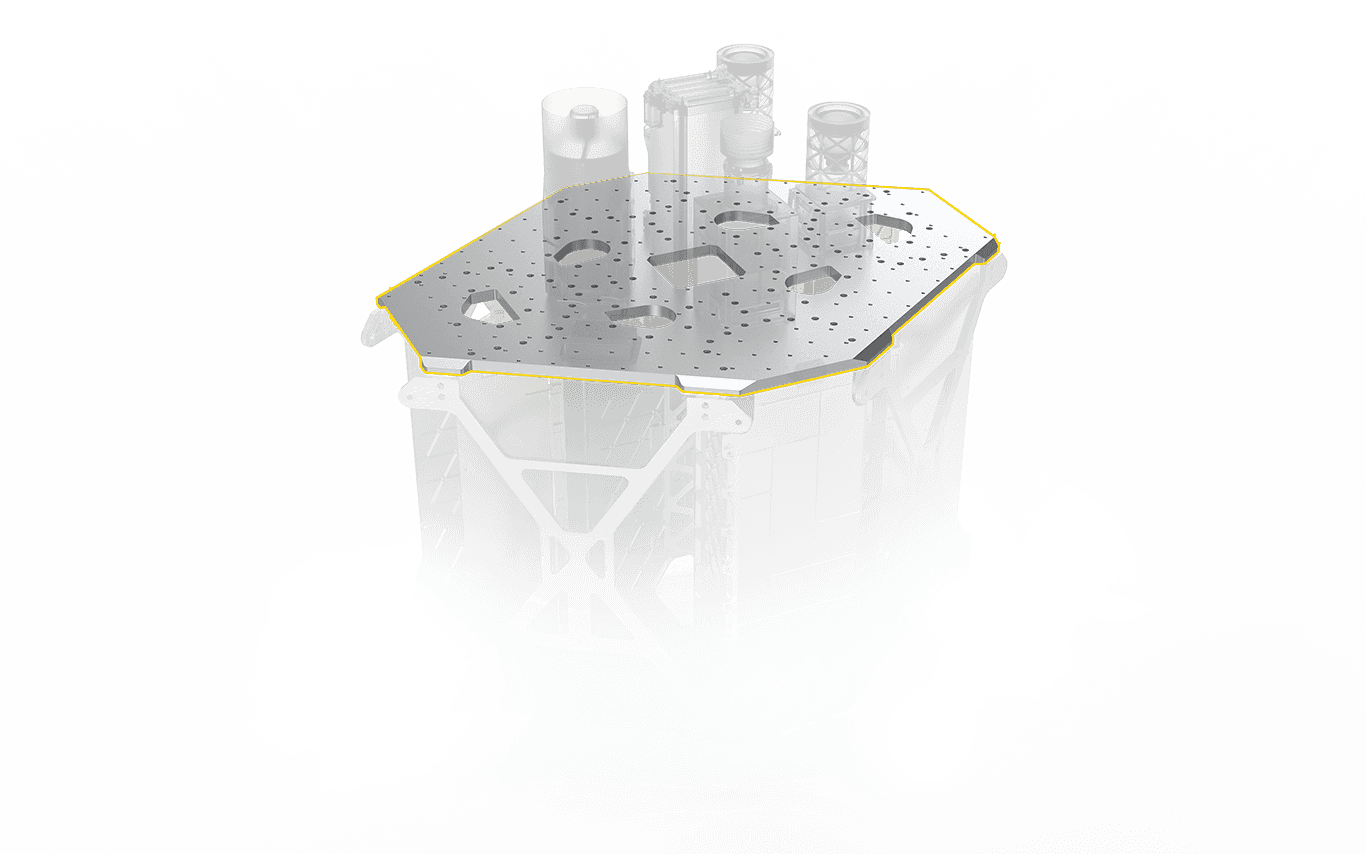
Payload Integration
Optimus Viper provides comprehensive payload integration through standardized interfaces designed for rapid deployment and mission flexibility. The platform accommodates custom sensor suites and mission-specific equipment through modular architecture with integrated power, data, and thermal management. Standardized mounting systems, electrical interfaces, and communication protocols enable streamlined integration workflows from payload delivery to launch readiness.
Payload Integration
| Capability | Specification | |
|---|---|---|
| Interface | 70 cm × 60 cm standardised plate | |
| Volume | 130 L payload bay capacity | |
| Mass Capacity | 75 kg maximum payload mass | |
| Mounting | Standardised cheese plate interface |
Power Interface
| Capability | Specification | |
|---|---|---|
| Generation | Configurable 500 W - 1500 W EOL | |
| Distribution | 28 V regulated power supply | |
| Payload Power | Peak 1300 W, average 300 W |
Data Interface
| Capability | Specification | |
|---|---|---|
| High-Speed | Ethernet connectivity | |
| Legacy Support | RS-422 data bus compatibility | |
| Storage | 144 GB available for payload operations | |
| Processing | Edge computing for on-board decisions |
Platform Performance
| Capability | Specification | |
|---|---|---|
| Pointing Accuracy | <20 arcseconds | |
| Pointing Stability | <1 arcsecond | |
| Slew Rate | 3°/s capability on all axes | |
| Relative Navigation | 1% error at operational ranges | |
| Delta-V Capability | 500+ m/s | |
| Imaging Resolution | Sub-10 cm at 10 km |
Communication
| Capability | Specification | |
|---|---|---|
| Primary TT&C | S-Band 2 Mbps uplink and downlink | |
| Downlink | X-Band 40 Mbps, 987 MB per pass | |
| Emergency | Survival radio | |
| Network Integration | SDA-compatible OISL ready | |
| Redundancy | Triple-band communication architecture |
Launch Integration
| Capability | Specification | |
|---|---|---|
| Launch Compatibility | Optimised fit for SpaceX Falcon-9 half slot, ESPA-class rideshare compatible | |
| Separation Systems | 15-inch separation system |
Optimus Viper Brochure
Request a Brochure